
Fast sites that rank and convert
High-performance websites and web applications built for speed, SEO, and conversion. Modern frameworks, responsive design, and architecture that handles traffic without breaking.
Trusted by forward-thinking organizations
<1s
Load Time
95+
PageSpeed Score
40%
Conversion Lift
99.9%
Uptime
Websites built for performance and results
We build websites that load fast, rank high, and convert visitors to customers. Every site ships with optimized Core Web Vitals, mobile-first responsive design, and SEO best practices baked in—not bolted on. The result: organic traffic that actually converts, page speeds that beat competitors, and infrastructure that scales.
Benefits
Load fast on any device, any connection
Sub-second page loads through static generation, edge caching, and optimized assets. Mobile visitors don't wait—they convert. We optimize for Core Web Vitals because Google ranks fast sites higher.
Rank higher with technical SEO built in
Proper semantic HTML, structured data, meta tags, and crawlability from day one. We don't build first and fix SEO later—search optimization is part of the architecture.
Scale to millions of visitors without replatforming
JAMstack architecture with CDN distribution handles traffic spikes gracefully. No server capacity planning, no emergency scaling—just fast pages served from the edge.
Use cases
Marketing Websites
Company websites, product marketing, and landing pages optimized for conversion. Fast loading, SEO-ready, and integrated with your marketing stack.
Learn more
E-Commerce Websites
Online stores built for performance and conversion. Fast product pages, optimized checkout, and integration with inventory and fulfillment systems.
Learn more
Web Applications
Interactive web applications with complex UIs and real-time features. Single-page apps, dashboards, and tools that feel native in the browser.
Learn more
Content Platforms
Blogs, documentation sites, and content hubs optimized for SEO. Static generation for speed, CMS integration for easy editing.
Learn more
Customer Portals
Authenticated portals for customers, partners, or employees. Self-service account management, document access, and personalized dashboards.
Learn more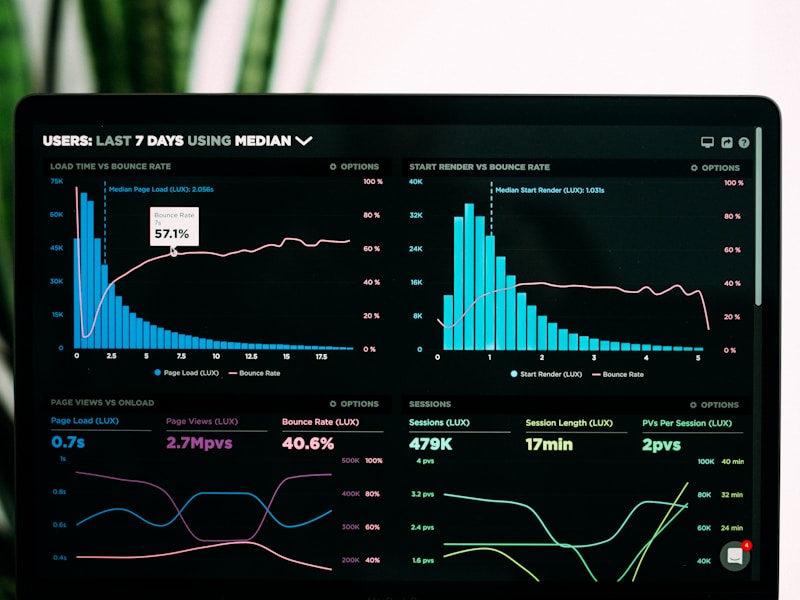
Technology
Technologies we use
Next.js
Framework
React Framework
Tailwind
Styling
CSS Framework
Vercel
Platform
Edge Hosting

Sanity
CMS
Headless CMS

TypeScript
Language
Type Safety

Cloudflare
CDN
Edge Network
Framer Motion
Animation
Motion Design
Algolia
Search
Site Search
Related Services
You might also need
Custom Software
Enterprise applications tailored to your workflows. We build internal tools and business systems that teams actually want to use.
AEO & SEO
Get found by Google and AI assistants like ChatGPT and Perplexity. We optimize content for traditional search and AI citation.
App Development
Native and cross-platform mobile apps for iOS and Android. From consumer apps to enterprise mobility, with seamless backend integration.
Take the next step
Let's audit your current site performance and map out improvements. We'll show you exactly where you're losing visitors and how to fix it.
Get to know Web Development
Speed directly impacts conversion: a 1-second delay reduces conversions by 7%. Google ranks faster sites higher, improving organic traffic. And fast sites reduce bounce rates—users stay, browse, and convert. Performance isn't a technical nicety; it's a business metric.
We typically recommend headless CMSs like Sanity, Contentful, or Storyblok for marketing teams that need flexibility. For simpler needs, we also work with WordPress (headless) or static site generators. The right choice depends on your content workflow and technical comfort.
We design for mobile first, then enhance for larger screens. This ensures the mobile experience is fast and usable—not a shrunken desktop site. With 60%+ traffic coming from mobile devices, mobile-first isn't optional.
Yes. We plan migrations carefully: mapping all URLs, setting up proper redirects, preserving meta data, and monitoring rankings post-launch. Most well-planned migrations see short-term stability and long-term gains as improved performance benefits SEO.
Websites are primarily content-focused (marketing sites, blogs, e-commerce). Web apps are functionality-focused (dashboards, tools, interactive features). The technology often overlaps, but the design priorities differ. Many projects combine both—a marketing site with an authenticated app section.